Kazuaki Shingo在工程機械和內(nèi)燃機領域擁有豐富經(jīng)驗���,是開發(fā)世界上最流行電動車的最佳人選?����;貞浧鹱约?996年大學畢業(yè)之后加入豐田汽車(Toyota)��,并在控制系統(tǒng)設計部呆了7年時���,這位2016款豐田(第四代)普銳斯(Pruis)的副總工程師笑了起來���。后來�����,Shingo如愿進入產(chǎn)品規(guī)劃部,并隨后調(diào)回研發(fā)部門��,參與第二代普銳斯掀背車和Auris小型車的研發(fā),及普銳斯V計劃��。在2016款普銳斯的北美媒體發(fā)布會上����,Shingo在翻譯的協(xié)助下接受了《汽車工程》的采訪�。
SAE:當您得知第四代普銳斯被選為公司首款采用豐田新型全球架構(TNGA平臺)的車型時���,您感到興奮嗎���?
Shingo:非常興奮!新款普銳斯采用了很多豐田的最新技術����。對于我們汽車研發(fā)人員來說�����,新平臺無疑大大提高了車輛的水準����。事實上,我在開始時同時參與了新平臺和新車型的工作���。我們認為這是一個絕佳的機會,可以真正利用公司的新架構����,設計更好的普銳斯�,結果也確實是這樣。
SAE:全新TNGA平臺給研發(fā)團隊帶來了什么挑戰(zhàn)��?TNGA的優(yōu)勢又是什么�����?
Shingo:我們面臨許多挑戰(zhàn)��。首先,我們必須從頭開始設計絕大部分的組件���。其次�����,我們的團隊還必須整合很多來自其他部門和項目對平臺的要求�����,非常非常多�����!不過,新的全球平臺可以帶來一種“量產(chǎn)效益”�,從而讓車輛價格更加親民。而且��,新平臺還能在設計改型車時����,為工程師提供更多自由����。
此外�����,我們在創(chuàng)造新平臺時����,遇到了一個接一個的挑戰(zhàn):首先是“雷曼兄弟公司破產(chǎn)”��,接著我們又遇到了日本大地震���,而且豐田也存在一些質(zhì)量相關的問題。不僅如此���,公司的全球市場也在從發(fā)達國家向發(fā)展中國家轉移����。我當時覺得公司面臨的危機非常大����,甚至都懷疑公司能不能挺過去����。因此,公司決定“回歸基本”����,制造一些經(jīng)濟實惠但質(zhì)量好的車型。這是公司上下共同做出的決定�,我們必須這樣做。為了做到這一點�,我們推倒了公司內(nèi)部的“部門墻”�,大家開始通力合作。我們知道豐田擁有一樣很讓日本驕傲的東西:生產(chǎn)超高質(zhì)量產(chǎn)品的實力��,也正是這種精神支持者我們走過困境�����,不斷前行�����。
SAE:在開發(fā)新款普銳斯時����,客戶對新車型的三個主要期待是什么?
Shingo:首先��,普銳斯是豐田“混合動力車”的代表��,這點不會改變���,因此我們希望繼續(xù)為客戶提供世界上最高水平的燃料經(jīng)濟性;其次��,雖然之前普銳斯的燃料經(jīng)濟性表現(xiàn)非常好����,但我們也知道車輛對道路噪聲的控制�、駕乘舒適度,以及操控性都并不強����。車主在長途駕駛后可能會比較疲憊�����,而且車輛的操控性也需要改進��。我們希望能“糾正”這些問題���,也希望新的普銳斯能夠為車主帶來駕駛的樂趣�;第三�����,在車輛內(nèi)飾方面����,有人告訴我們����,老版普銳斯的內(nèi)飾總給人一種 “塑料的感覺”。因此���,我們根據(jù)大家的意見重新設計了內(nèi)飾,車輛座椅����、質(zhì)地和設計均有很大提升。
SAE:在設計新款普銳斯時��,公司是否提出了減重的需求����?因為您說新的鋰離子電池有助于車輛減重����。
Shingo:燃料經(jīng)濟性對我們非常重要��,因此減重絕對是我們面臨的最大挑戰(zhàn)之一��。我們最重要的目標之一就是絕不增加車輛的重量����,但隨著美國的碰撞安全性和燃油經(jīng)濟性法規(guī)不斷緊縮����,我們不得不對車輛進行優(yōu)化���,從而應對更高的碰撞速度�����。而且����,為了提高駕乘舒適性和操控性���,我們還決定安裝一款雙叉型后懸掛系統(tǒng)����,從而將車身剛性提高至一個新高度����。很顯然���,這些優(yōu)化均會增加車輛的重量。為了控制車輛的重量���,我們采用了更多的鋁質(zhì)部件和高強度鋼�����。最終,我們成功將新款普銳斯的重量控制在與老版車型處于同一水平。
SAE:車輛的白車身采用全鋼結構����,發(fā)動機蓋和掀蓋車門均采用了鋁制材料����。公司在設計新款普銳斯時����,有計劃大量采用鋁制材料嗎?
Shingo:是的���,我們在推廣鋁制材料的使用時的確有一些考慮。未來��,新款普銳斯的生產(chǎn)將倚賴TNGA平臺�����,這意味著我們在設計時必須考慮這款車在世界各地的生產(chǎn)情況����,我們必須支持公司的商業(yè)決定����。不過,加工鋁材在美國和日本很容易獲得���,但在發(fā)展中國家卻并不那么容易。
SAE:您在研發(fā)第四代普銳斯時取得的最大成就是什么��?
Shingo:我最驕傲的是有幸從最開始研發(fā)普銳斯的混合動力系統(tǒng)����,以及新TNGA平臺�。這是一個向世界展示豐田實力的機會。
作者:Lindsay Brooke
來源:SAE《汽車工程》雜志
翻譯:SAE 中國辦公室
Pride in engineering the world’s most popular electrified vehicle
Kazuaki Shingo’s background is in mechanical engineering and internal combustion engines—making him a perfect candidate to develop the world’s most popular electrified car! The Assistant Chief Engineer of the 2016 (fourth generation) Prius chuckles when he tells you that, recalling his seven years spent in control-systems design after joining Toyota as a university graduate in 1996. Shingo-san then got his wish to enter product planning, with subsequent moves back into development of the second-generation Prius hatchback, and the Auris and Prius V programs. He spoke with Automotive Engineering through an interpreter at the 2016 Prius North American media launch.
Were you excited when the fourth-generation Prius was chosen to be the first vehicle developed on TNGA—Toyota’s new global architecture?
Yes! A lot of new Toyota technologies are incorporated into the latest Prius. The new platform raised the bar way up high for us who were developing the car. In fact, in the beginning I was working on both the new platform and the car. We felt this was a great chance for us really capitalize on the new structure to make the car better. And that’s what happened.
What challenges did moving to the all-new TNGA present to your development team, and what benefits did TNGA provide?
There were many challenges. For most of the components we started from scratch. Then it was difficult for team members to integrate the many, many requests for the platform from other departments and projects! But the new global platform created a ‘volume effect’ that make the vehicle prices more affordable. And it gives us more freedom to engineer different variants.
Also, at the time we were creating the new platform, we faced a number of challenges that came one after the other: first the ‘Lehman Bros. shock’ then we had a big earthquake in Japan and also Toyota had some quality-related problems. Not only that, the global market was shifting from the developed countries to the developing countries. I felt the crisis was so significant that our company might not be able to keep afloat. So the company decided to ‘go back to basics’ and create something affordable and with high quality. It was a company-wide decision to focus our efforts on that idea. In order to do that, intra-divisional walls were eliminated. Everybody got together and collaborated. We knew we had something that Japan is very proud of: the ability to manufacture products with very high quality. That spirit enabled us to move forward through the challenges.
In developing the new Prius, what were the 3 main customer desires for the new model?
Prius is Toyota’s ‘hybrid DNA’ so we wanted to maintain the world’s best fuel economy. That was number one. Second, while the previous model’s fuel economy is very good, we also knew that road noise, ride comfort and handling weren’t as good. On a long trip the fatigue level was not so good, and the handling needed improvement. So we wanted to rectify those areas. We wanted the new Prius to be a fun car to drive. And third was the interior aspects—some voices we heard said the old interior was too ‘plasticky.’ So based on those voices we revisited the interior and spent a lot of time on the seats, their texture and design.
Was there an aim to reduce the weight of the new Prius compared with the previous one? You did say the lithium-ion batteries contribute to less weight.
Mass reduction was one of the greatest challenges we had in this development because the fuel economy is very important to us. Making sure the vehicle stays light was one of our most important aims. In addition to that, U.S. collision safety and fuel economy regulations were becoming very stringent; we had to cope with higher collision speeds. Also, to improve ride and handling we decided to install a double-wishbone rear suspension which caused us to raise body rigidity to a higher level. These and other things resulted in an increase in vehicle mass so to compensate we used more aluminum components and high-tensile steel. In the end we achieved a weight level comparable to the older Prius.
The white body is all steel with aluminum hood and liftgate. Was there ever a plan to make Prius aluminum intensive?
Yes, we gave consideration to use of aluminum in more areas. Because this vehicle was going to be produced using the TNGA, that meant it had to be designed for production anywhere in the world. It was a business decision that we had to protect. Also, obtaining aluminum for processing is easy in the U.S. and Japan, but not so easy in developing countries.
What is your greatest achievement on the fourth-gen Prius?
I’m most proud of developing the new hybrid system and also its new platform built from scratch. It’s one way to show the world Toyota’s capability.
Author: Lindsay Brooke
Source: SAE Automotive Engineering Magazine
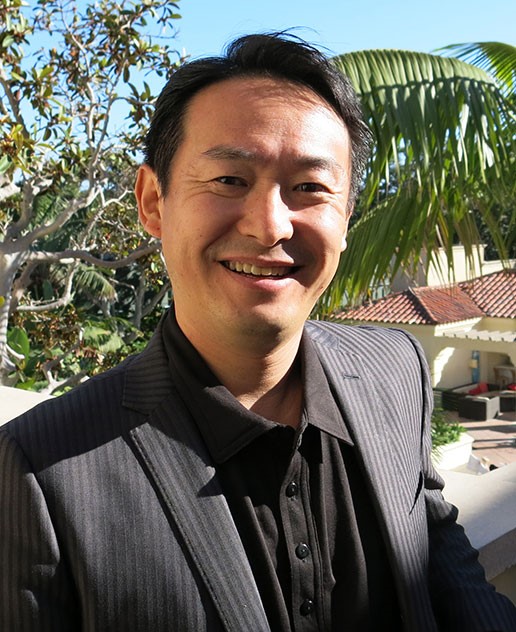 Kazuaki Shingo:向世人展示豐田的實力。