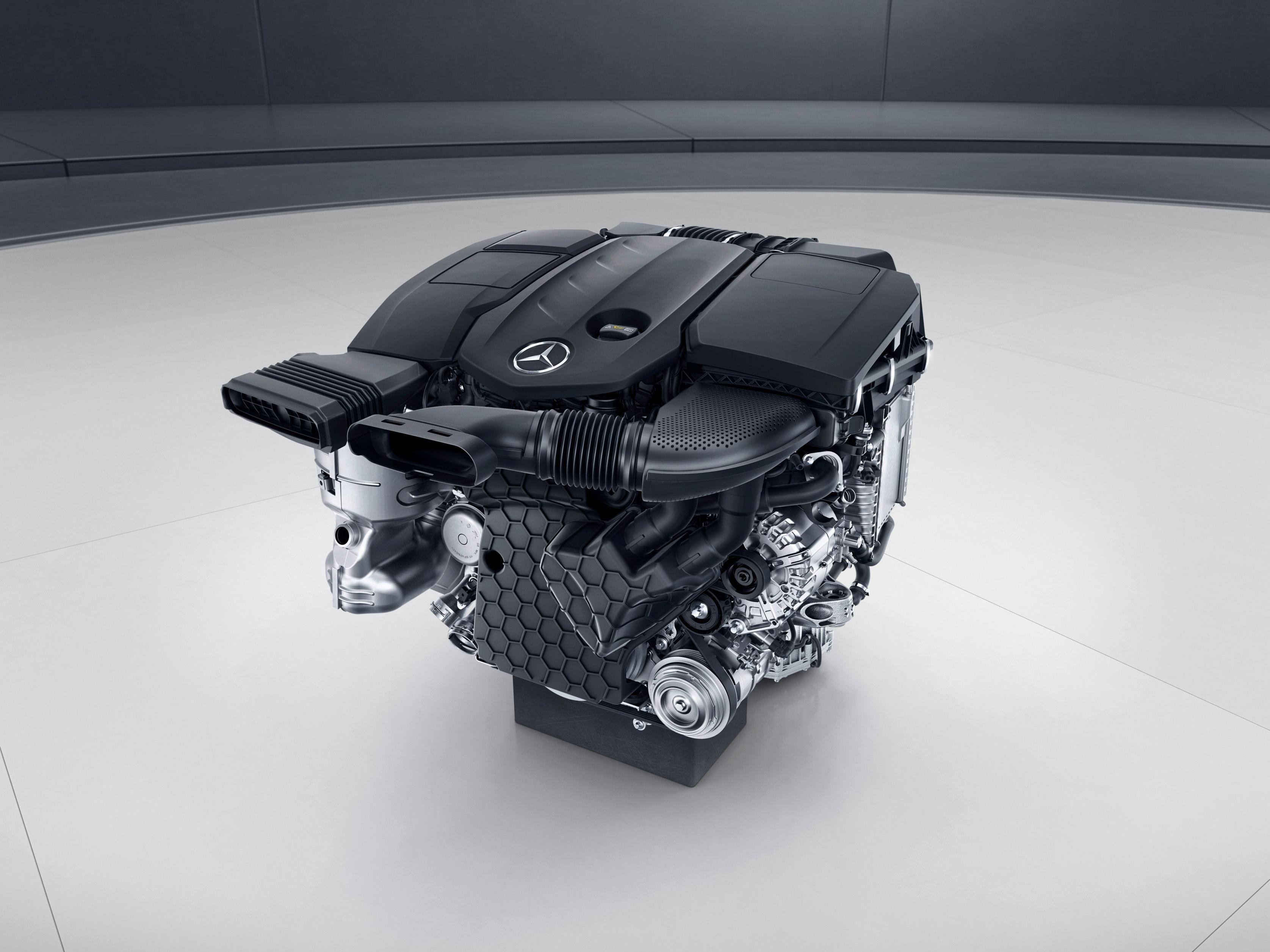
當你與工程師談論起未來汽車行業(yè)“前景與未來”時,自動化往往已經成為了你們之間的最熱話題��。但是�����,最后還是把談論焦點會轉回柴油發(fā)動機,我們有時會不禁要捫心自問:“難道柴油機真的已經日薄西山了嗎���?”
正是由于人盡皆知的大眾汽車“尾氣門”事件�����,導致寶馬(BMW)與奔馳在業(yè)務上也受到了牽連����,導致其幾乎完全砍掉了在美國市場的柴油發(fā)動機產品線��,而歐洲市場業(yè)務也是深陷泥潭����。
馬自達宣布在汽油發(fā)動機方面的創(chuàng)新突破,計劃將于2019年將推出壓燃點火汽油發(fā)動機�����,并提供未來構建輕混合動力汽車組合的可能�。如果該發(fā)動機能一下子提升40%的熱效率,并擁有混合動汽車無法匹敵的扭矩���,請問有誰會對此忍心說不�����?至少��,福特動力總成首席工程師Pete Dowding是這么認為的��。
Dowding當然也承認柴油發(fā)動機目前所受到的“重創(chuàng)”��,但是他同時也看到一個廣闊而蓬勃的卡車市場����。在這個領域,柴油發(fā)動機依舊能延續(xù)傳奇�����。Dowding透露��,福特卡車的買家正熱切盼望著明年春天上市的搭載3.0升V6柴油發(fā)動機的F-150�。正是由于受到排放門陰影的影響�����,菲亞特克萊斯勒被美國環(huán)保署禁售的柴油車,通過減排系統(tǒng)的修改優(yōu)化后美國環(huán)境保護署(EPA)已經向其頒發(fā)了許可證��。同時旗下公羊品牌搭載了柴油發(fā)動機的非常受歡迎的輕型皮卡也已重新上線��,同時也包括Jeep大切諾基����。
但不可否認的是,在北美發(fā)生的大眾“尾氣門”丑聞已經波及到了歐洲汽車市場�����,即便是柴油發(fā)動機最堅定的大陸集團也開始秉燭探索新的動力科技�����。在過去一段時間內����,一些大城市對柴油機紛紛發(fā)布了限令,將納入了相關法規(guī)�,而英法兩國則已經直接提議要在2040年之前全面禁止內燃機車輛的銷售。
而這一浪潮在素有“壓燃技術搖籃”之稱的德國也未能幸免����,在那里��,柴油發(fā)動機不僅在前瞻性技術中不受青睞���,而且還在與迅速崛起的電動化技術的戰(zhàn)役中敗下陣來。今年夏天�,德國汽車制造商召回了多達500萬輛柴油車,并對發(fā)動機管理軟件進行了升級����,從而使氮氧化物(NOx)的排放能符合如今的歐盟六項規(guī)定,同時計劃拿出5億歐元對老舊汽車進行現金補助�,鼓勵更換排放更低的新款車型,以此改善城市空氣質量��。
而作為“柴油派”的一員�����,寶馬主席Harald Krüger則認為����,“柴油發(fā)動機原本是一項尖端技術,不僅高效����,而且廣受客戶青睞,但近兩年來��,卻遭受到了故意詆毀和公開質疑���。由此�����,數百萬駕駛者陷入了巨大的迷茫之中��,而我們也不知未來將去向何方”����,這番言論似乎也是在為柴油機的回歸尋找理由�����。
BMW寶馬公司董事長Harald Krüger先生則表示需要回歸理性��,他認為:“柴油發(fā)動機原本是一項尖端技術�����,不僅高效���,而且廣受客戶青睞�����,但近兩年來��,卻遭受到了故意詆毀和公開質疑���。由此�,數百萬車主陷入了巨大的迷茫之中���,而我們也不知未來將去向何方”
事實上���,德國的各家汽車公司已經在不遺余力地挽救柴油發(fā)動機了。這其中��,不僅要應對政客們目光短淺的煽風點火�,還要面對影響日增的“電動派”言論,比如“電池電動技術即將迎來全盛時期”��。德國總理默克爾在9月接受彭博采訪時曾說����,“我們需要牢記并糾正錯誤”�,不過同時�,她也強調�,“(但)這并不意味著我們就要徹底剝奪柴油發(fā)動機行業(yè)的未來。”
博世(Robert Bosch )Mobility解決方案的主席Rolf Bulander博士在8月的一次媒體活動上告訴記者�����,2025年后��,柴油發(fā)動機依然將是民用車輛最主要的動力能源之一�����。
“巴黎�、馬德里、雅典以及墨西哥城紛紛決定��,從2025年起��,禁止柴油發(fā)動機車輛上路����。這些政策的盲點在哪里?在我們看來,這是被生態(tài)保護帶偏了��,或者至少說是一種‘盲目的’環(huán)保措施���。說盲目是因為這樣的駕駛禁令完全忽視了柴油發(fā)動機突出的節(jié)能高效性��,而這對控制全球變暖依舊十分必要�。而說它盲目的另一個原因�,則是它低估了柴油發(fā)動機技術依舊有待挖掘的發(fā)展?jié)摿Α?rdquo;
這些觀點都對。不過�����,畢竟柴油發(fā)動機在尾氣排放上的問題依舊存在�����。所以答案就是:與其選擇逃避��,不如迎難而上�����。
或許本田為我們帶來了解決方案�����,由本田專為歐洲市場設計的全新款1.6升iDTCI柴油發(fā)動機成為了世界上首款通過全新WLTP測試循環(huán)(Worldwide HarmonizedLight-Vehicle Test Procedure)認證的發(fā)動機。真實工況駕駛排放(RDE)測試數據則是該WLTP測試最重要的數據來源之一����。
沒錯,正是這項測試讓大眾排放舞弊案浮出了水面����。
本田十分謹慎地表示��,這款新型的柴油發(fā)動機采用了一些巧妙的強化設計����,才使得此款發(fā)動機在真實工況駕駛排放測試中獲得了這一亮眼的成績,“我們使用了一款全新的氮氧化物存儲轉換(NSC)系統(tǒng)���,配備了更多的催化劑及更高含量的貴金屬(銀���、鉑及釹),能將氮氧化物氣體存儲至再生循環(huán)����。”
如果你想估算“增加的成本”,那答案無疑是遠超其他同級別設備。
不過����,在我們能夠降低后處理成本,或者有創(chuàng)新型的內燃機可以實現大幅減排之前�����,“柴油派”最好的選擇或許只能宣傳在真實工況駕駛排放測試上所取得的好成績了����。
寶馬的Krüger表示,“毫無疑問��,未來的交通運輸仍然將依賴性能最優(yōu)的柴油發(fā)動機����。”
對此,我并無異議�。不過,為了不被“打臉”��,我還是希望汽車從業(yè)者們現在就要行動起來��,早日實現柴油機研發(fā)的重大突破�����。選擇這條路并不是因為它平坦寬闊,而是因為汽車人從不畏懼艱險��。
Start talking car-business “big-picture” with engineers and once you hash out autonomy for the thousandth time, the discussion invariably comes to diesel. Is diesel stick-a-fork-in-it done?
Everyone knows the Volkswagen impact, which for now has caused diesel compatriots BMW and Mercedes-Benz to almost completely withdraw diesel models from U.S. showrooms. The VW scandal generated plenty of still-fomenting blowback in Europe, too.
But even with pressure from ongoing gasoline-engine design innovations—Mazda just announced it is ready to launch a production compression-ignition gasoline engine in 2019, for example, and there’s a growing menu of hang-on electrical enhancements—diesel doesn’t quite look dead. After all, what car company can turn its back on 40% thermal efficiency that comes as easy as falling out of bed in the morning—bundled with the luscious, customer-pleasing torque a hybrid can’t hope to match?
Ford powertrain chief engineer Pete Dowding is talking the talk, at least. He concedes diesel’s battered at the moment, but he sees a strong, high-volume truck market where diesel’s still a magic word. Ford truck buyers, he said, are hungry for the coming 3.0-L V6 diesel for the F-150 next spring. And after an emissions-scandal scare of its own, FiatChrysler sold the EPA on an emissions-system reprogramming and FCA’s Ram brand is back in business with its popular diesel for light-duty pickups (as well as the Jeep Grand Cherokee).
But there’s no denying the diesel pandemic that Volkswagen started in the U.S. has bled to Europe and even the famously diesel-worshiping Continent has picked up the torches to pursue the Frankenstein monster. Several large cities have outright bans on the books or in play. Britain and France took a larger view, proposing to prohibit all internal-combustion vehicle sales by 2040.
Even in Germany, the cradle of all things compression-ignition, diesel might be losing not just the perception war—but the battle with fast-moving electrification technologies, too. Late summer saw German automakers in a desperate-looking, Cash for Clunkers-mimicking gambit to tweak the engine-management software of up to 5 million vehicles to bring oxides of nitrogen (NOx) output in line with today’s Euro 6 regulations. Oh, and a €500-million fund to improve urban air quality.
Seemingly calling for a return to reason, BMW Chairman Harald Krüger was quoted as saying, “For almost two years now, diesel technology which is cutting-edge, highly-efficient and popular with customers has been deliberately and publicly discredited. This has caused tremendous uncertainty among millions of drivers and it’s not going to get us anywhere.”
Indeed, Germany Inc. is working hard to protect the diesel, not only from short-sighted political knee-jerk but also from the expanding notion that battery-electric technology is ready for high-volume primetime. Germany’s Chancellor Angela Merkel was quoted in September by Bloomberg as saying the onus is on the country’s entire auto sector to “address unforgiveable mistakes,” but she stressed, “that doesn’t mean we have to rob the whole industry of its future.”
Dr. Rolf Bulander, chairman of Robert Bosch Mobility Solutions, told journalists at an August media event that he sees the diesel as a core power source for passenger vehicles beyond 2025.
“What is amiss when Paris, Madrid, Athens and Mexico City decide to ban diesel vehicles from their streets from 2025? In our view, this is ecologically misguided—or, at best, environmental protection from a ‘blinkered’ perspective. Blinkered if only because such driving bans ignore diesel’s outstanding efficiency, which is still needed to limit global warming. But, also, blinkered because it underestimates the potential still latent in this technology.”
All well and good. But there’s no question diesel’s emissions-perception problem isn’t going away. The answer: rather than run from it, embrace it.
Leave it to Honda, perhaps, to adopt exactly that approach. The engine experts there recently crowed the new European-market 1.6-L iDTCI diesel was one of the world’s first engines to be certified under the watch of the newly-adopted Worldwide Harmonized Light-Vehicle Test Procedure (please just say WLTP). A crucial component of the WLTP is data input modeled from on-the-road emissions testing widely known as real-world driving emissions (RDE).
Yes—the very same scrutinizing that exposed VW’s cheating.
Honda carefully admits its new diesel achieved its exceptional RDE results with some slick engine-design enhancements and, uh, “a new NOx Storage Converter (NSC) system with larger catalysts and a higher content of noble metals (silver, platinum and neodymium) that store nitrogen oxide gas until the regeneration cycle.”
If you’re reading “added cost,” go to the head of the class.
But until aftertreatment expense can be reduced or a combustion innovation improves engine-out emissions, the best thing the industry can do is to keep bragging about acing those new RDE tests.
“Future mobility will definitely depend on state-of-the-art diesels as well,” BMW’s Krüger declared.
I agree. But just to be on the safe side, get cracking on the next big diesel breakthrough, car industry. Do it not because it’s easy, but because it’s hard.
Author: Bill Visnic
Source: SAE Automotive Engineering Magazine